
Invited Speaker
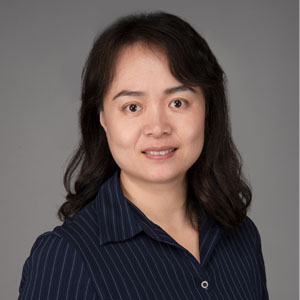
Asst. Prof. Li Wang
Faculty of Health Sciences, University of Macau, ChinaSpeech Title: Harnessing Adipocyte-Derived Exosomal miR-5099 as a Targeted Biotherapeutic to Reprogram Macrophages and Ameliorate Metabolic Inflammation
Abstract: The clinical translation of highly efficacious natural compounds, such as celastrol, for obesity-associated metabolic syndromes is severely bottlenecked by their systemic toxicity. Overcoming this challenge requires innovative biotechnology to decouple pharmacological efficacy from adverse effects. In this study, we identify adipocyte-derived extracellular vesicles (exosomes) as natural nanocarriers of a novel therapeutic payload, microRNA-5099 (miR-5099), which mediates the potent anti-inflammatory benefits of celastrol without its associated toxicity.By integrating a systems biology approach, utilizing bulk and single-cell RNA sequencing, microRNA transcriptomics, and high-throughput multiplex cytokine arrays, we mapped the intercellular communication network between adipocytes and macrophages. We demonstrated that pharmacological stimulus effectively modulates exosomal sorting machinery, resulting in the significant enrichment of miR-5099 within adipocyte-derived exosomes. As a cell-free biotherapeutic, administration of these miR-5099-loaded exosomes or direct miR-5099 delivery robustly reprogrammed pro-inflammatory M1 macrophages into an anti-inflammatory state by directly targeting the Met/NF-κB signaling axis. In vivo evaluation in murine models revealed that this targeted biologic intervention significantly resolved adipose tissue inflammation, restored glucose homeostasis, and reversed hepatic steatosis. Collectively, our findings elucidate a novel exosome-mediated cross-talk mechanism and present miR-5099 as a highly promising, scalable biotherapeutic agent, offering a targeted and safe modality for treating obesity-driven metabolic dysfunctions.
Biography: Prof. Li Wang is an Assistant Professor in the Faculty of Health Sciences at the University of Macau. She has served as the Director of the Metabolomics Core and Manager of the Proteomics, Metabolomics, and Drug Development Core Facility at the same university. Prof. Wang has received several honors, including the second and third prizes at the Young Scientist Forum of the Chinese Society of Biochemistry and Molecular Biology, as well as the Best Teacher Award from the Faculty of Health Sciences at the University of Macau. Her research focuses on elucidating the core molecular mechanisms underlying the onset and progression of diseases such as obesity, diabetes, and cancer, with a parallel emphasis on translating these scientific discoveries into clinical strategies for disease prevention and treatment. Prof. Wang has filed three Chinese national invention patents and has published numerous peer-reviewed papers in SCI-indexed journals, including Circulation Research, Diabetes, Arteriosclerosis, Thrombosis, and Vascular Biology, and Cell Death & Disease. Some of his articles have been designated as ESI Highly Cited Papers or have received recommendations from F1000.