
Invited Speaker
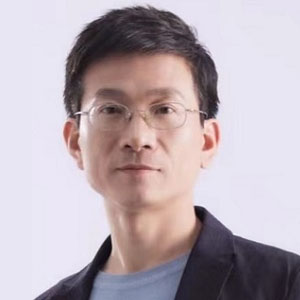
Prof. Zhongzhao Teng
School of Life and Health Sciences, Fuyao University of Science and Technology, ChinaMember of the Cerebral Blood Flow and Metabolism, Chinese Stroke Association, China
Speech Title: Carotid plaque vulnerability assessment: Integrating in vivo imaging, hemodynamic analysis, and mechanobiology
Abstract: Ischemic stroke causes local brain tissue damage, which not only leads to acute neurological deficits but also accelerates long-term cognitive decline. Preventing stroke is, therefore, a key strategy for preserving cognitive function in aging populations.
Atherosclerotic plaque rupture in carotid arteries remains a predominant cause of ischemic stroke. Beyond embolization, hemodynamically significant plaques also reduce cerebral perfusion pressure, leading to chronic hypoperfusion that further compromises brain health. Traditional risk stratification based solely on stenosis severity is insufficient, as many non-stenotic plaques are vulnerable while some severely stenotic lesions remain stable. Advanced high-resolution, multi-contrast MR vascular imaging enables detailed characterization of plaque components, fibrous cap, lipid-rich necrotic core, and intraplaque hemorrhage, which are directly linked to vulnerability. Complementing this, hemodynamic analysis quantifies wall shear stress and plaque structural stress: low shear stress promotes plaque initiation and progression, while elevated structural stress concentrates at the thin fibrous cap, increasing rupture risk. Integrating these biomechanical metrics with MR-derived anatomy significantly improves the accuracy of vulnerability assessment over stenosis-based evaluation.
Mechanosensitive ion channels, such as Piezo1 and TRP, play a critical role in transducing mechanical stimuli into cellular signals, mediating endothelial responses to shear stress and smooth muscle cell adaptation to structural stress. Elucidating these mechanobiological mechanisms is essential for understanding plaque destabilization. Future efforts should focus on large-scale prospective validation, development of mechanobiology-informed therapeutic strategies, and translation of integrated MR imaging, hemodynamic modeling, and molecular insights into clinical practice, ultimately enabling personalized prevention of both stroke and dementia.
Keywords: stroke; cognitive function; atherosclerosis; imaging; hemodynamics; mechanobiology
Biography: Dr. Teng is a National Innovative Talent, graduated from Fudan University, Shanghai, China in 1998. He obtained his first PhD in fluid mechanics in 2003 from the same university and his 2nd PhD in radiology from the Department of Radiology, University of Cambridge. He was a Senior Research Associate 2009-2022 in the Department of Radiology, University of Cambridge, leading the group for Cardiovascular Imaging focusing on the development of novel imaging and hemodynamics analysis technologies. Dr Teng has published over 150 high quality journal articles. He has been very successful in the translation and he is the co-founder of Tenoke, Ltd., and Nanjing Jingsan Medical Science and Technology, Ltd., China, with products being implemented in 503 medical centres in China for the assessment of brain health, including cognitive function.